
Guaranteed vs. Variable Access: The New Dividing Line
IN ONE SENTENCE
When a critical resource becomes scarce, those who secured their supply take the lead, and everyone else faces queues. That's what's happening with AI compute.
THE OBSERVATION
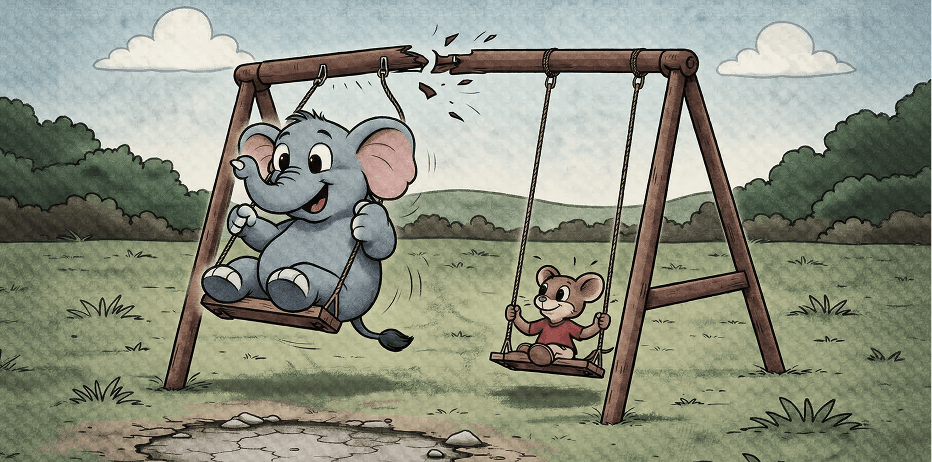
The biggest AI consumers don't operate on monthly subscriptions. They lock in multi-year commitments, reserve dedicated capacity, and ensure their systems will never be slowed by others' load.
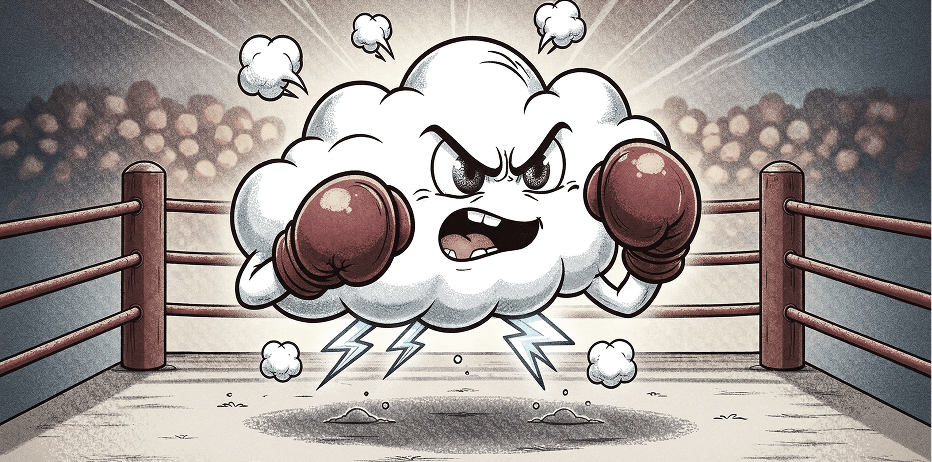
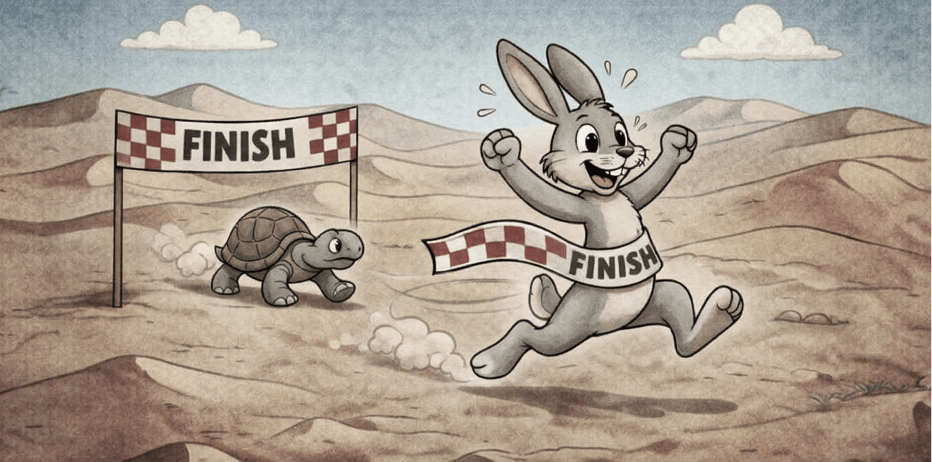
On the other side, smaller players; SMBs, startups, freelancers, consume on the open market. As long as capacity is abundant, everything works. But as soon as demand exceeds supply, dedicated contracts get priority, and the rest of the market suffers degradation: increased latency, simplified models, reduced quotas.
WHAT YOU NEED TO UNDERSTAND
This mechanism isn't speculative. It's the standard logic of any industry under pressure:
Guaranteed access
Dedicated contract, reserved capacity, consistent performance. High but predictable cost. The company knows its systems will work no matter what happens on the network.
Variable access
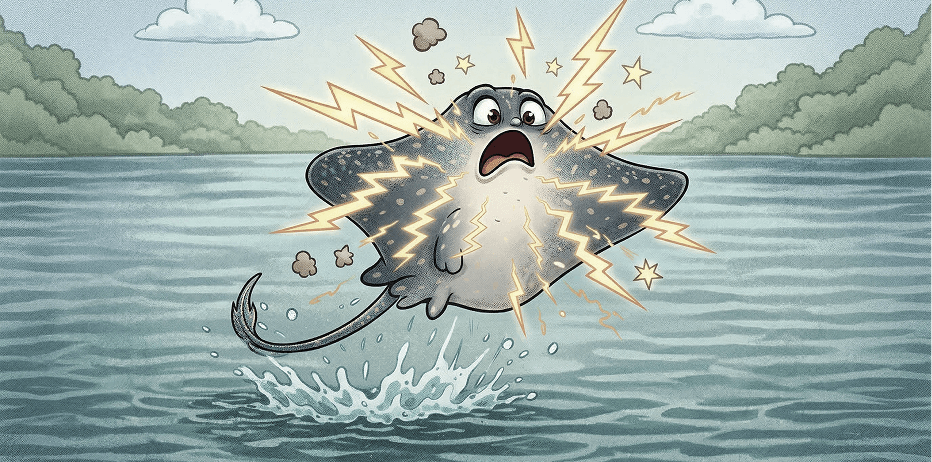
Pay-per-use, shared capacity, fluctuating performance. Seemingly low cost, but risk of interruption when demand spikes.
For an agency like NODS that delivers production AI systems to clients, the question isn't theoretical. If a client's agent slows down during peak because capacity is saturated, it's NODS that bears the responsibility.
WHAT THIS CHANGES FOR YOU
- Assess your exposure: if your business depends on a real-time AI model, you need service guarantees, not just access.
- Negotiate your cloud contracts thinking "capacity reservation," not just "price per request."
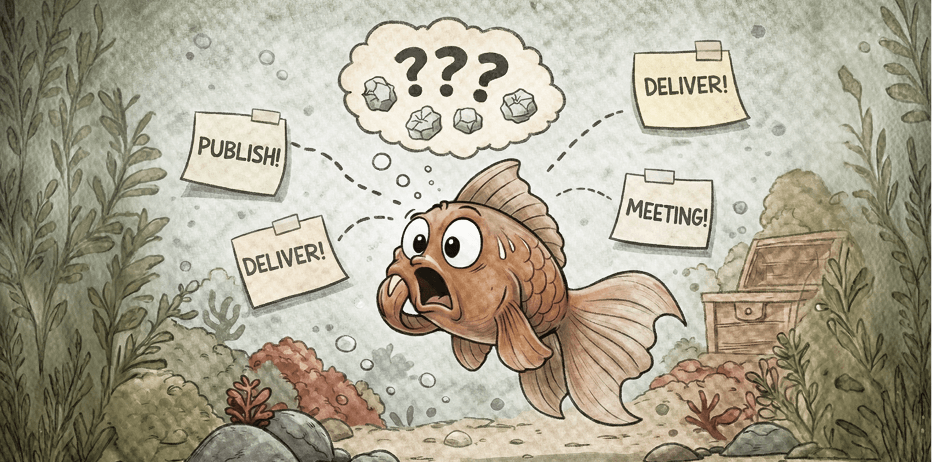
- Prepare a degraded mode: what does your product do if the main model is unavailable for 2 hours?
Access to AI will become a competitive advantage in itself. Not because the models will be different, but because the guarantee of running them without interruption will be.
.png)
.png)
.png)
.png)
.png)
.png)
.png)
.png)
.png)





















.png)