

The Technical Role Is Mutating: From Builder to Supervisor
IN ONE SENTENCE
AI has automated most routine technical work. The profiles that remain indispensable are those who can supervise, diagnose, and intervene when automated systems go off track.
THE OBSERVATION
The developer role as we knew it; writing code, implementing specs, testing line by line; is undergoing accelerated transformation. AI agents handle the bulk of production. Junior hiring is dropping. Senior profiles are repositioning.
WHAT YOU NEED TO UNDERSTAND
The technician's role isn't disappearing. It's transforming radically:
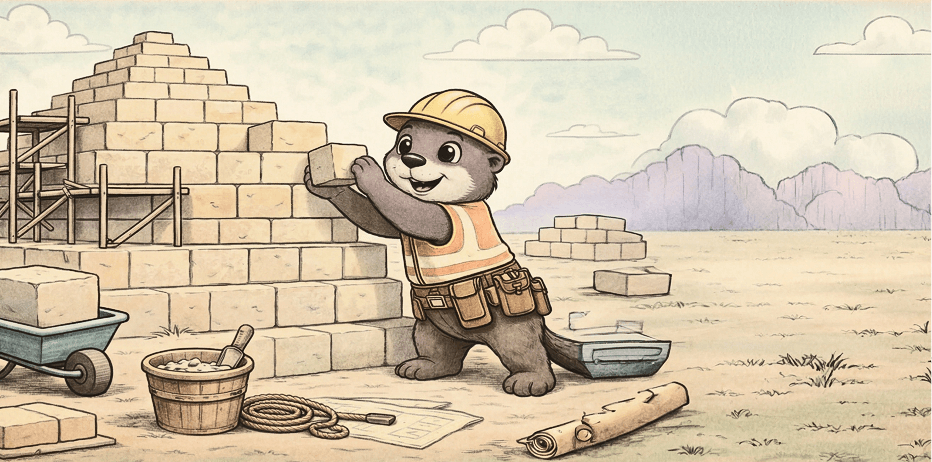
Yesterday: the developer as bricklayer
They build. They stack bricks. Their value is proportional to their production speed and code cleanliness.
Today: the developer as supervisor
They no longer build daily. They pilot the agents that build. They intervene when automated systems produce errors, edge cases, or regressions. Their value lies in systemic understanding and rapid diagnosis.
Skills on the rise: systems architecture, complex debugging, agent orchestration, generated code validation. Skills declining: standard code writing, simple spec implementation, manual unit testing.
WHAT THIS CHANGES FOR YOU
- If you're technical: invest in architecture understanding and systemic diagnosis capability. Not typing speed.
- If you lead a tech team: restructure. Fewer junior producers, more senior supervisors.
- Train your teams to pilot AI agents. Knowing how to orchestrate, validate, and correct generated code is the critical skill of 2026.
The technical profession isn't dying; it's mutating. Production is being mechanized; supervision remains human. Invest in deep understanding, not execution speed. It's the only career insurance that holds.
.png)
.png)
.png)
.png)
.png)
.png)
.png)
.png)
.png)




















.png)