

The Trillion-Dollar Compute Race: Geopolitical and Strategic Stakes of AI
IN ONE SENTENCE
The AI industry plans to build 300 gigawatts of compute capacity by 2029, representing several trillion dollars in annual investment. Dario Amodei breaks down the strategic and geopolitical stakes of this unprecedented infrastructure race.
THE OBSERVATION
The numbers are staggering. The industry currently builds about 10 to 15 gigawatts of compute. With 3x annual growth, we're looking at 300 gigawatts by 2029. That's the equivalent of dozens of nuclear power plants dedicated solely to AI. And behind those gigawatts, trillions of dollars in capital investment.
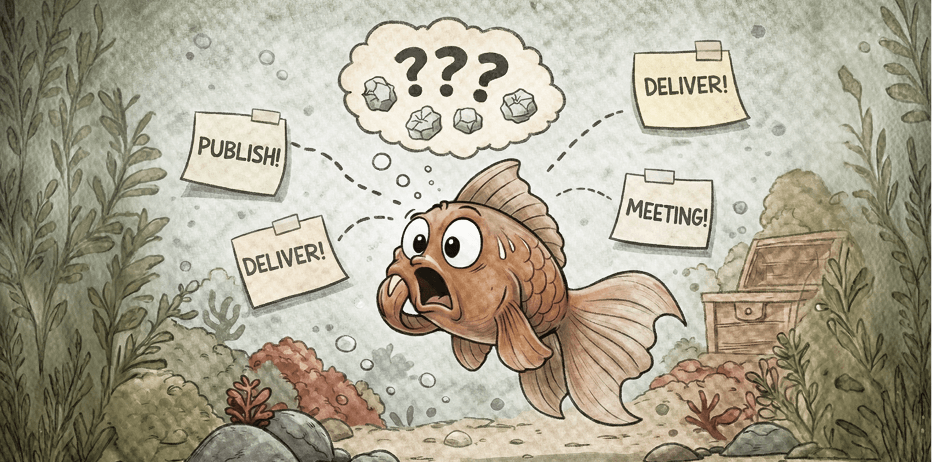
Amodei raises a fundamental question: what happens if demand doesn't materialize by 2028? If you've built for 2029 but the market is at 2027, you're bankrupt: fixed costs crush you. If demand is there, you're printing money.
WHAT YOU NEED TO UNDERSTAND
The economic bet of compute
Every major AI player is making an existential bet on demand growth. Too much compute too soon = insolvency. Not enough compute = irreversible loss of competitiveness. Anthropic has chosen a middle strategy: invest massively but with verification checkpoints. The approach isn't risk-free, but it's more calibrated than some competitors' all-in bets.
AI as a major geopolitical issue
Amodei is explicit about the geopolitical dimension. Whoever controls compute controls AI. And whoever controls AI potentially controls global intellectual productivity. The United States currently has a massive advantage thanks to the NVIDIA + hyperscalers + affordable energy combination. But this advantage is not guaranteed long-term.
The democracy and surveillance dilemma
As AI systems become more powerful, the question of their governance becomes critical. Amodei supports the idea of a large-scale government program for AI, comparable to the nuclear program in ambition. Curing diseases, yes; but chips and datacenters must remain under democratic control. It's a risky bet, but worth trying, with lessons learned from nuclear energy.
WHAT THIS CHANGES FOR YOU
- Integrate compute costs into your 3-5 year strategy. Companies that secure compute access will have a structural advantage.
- Monitor energy and infrastructure policies in your region. AI will become the top electricity consumer in many areas.
- Prepare for increasing compute regulation. Governments will inevitably seek to control this strategic resource.
- Diversify your compute providers. The current concentration among a few hyperscalers creates dependency risk that every company should mitigate.
The compute race is not simply a technology race: it's the race for the most strategic resource of the 21st century. Understanding the stakes of this infrastructure is no longer an intellectual luxury; it's a strategic necessity for any company whose future depends on AI. Source: Dario Amodei, Dwarkesh Podcast, February 2026.
.png)
.png)
.png)
.png)
.png)
.png)
.png)
.png)
.png)

































.png)